
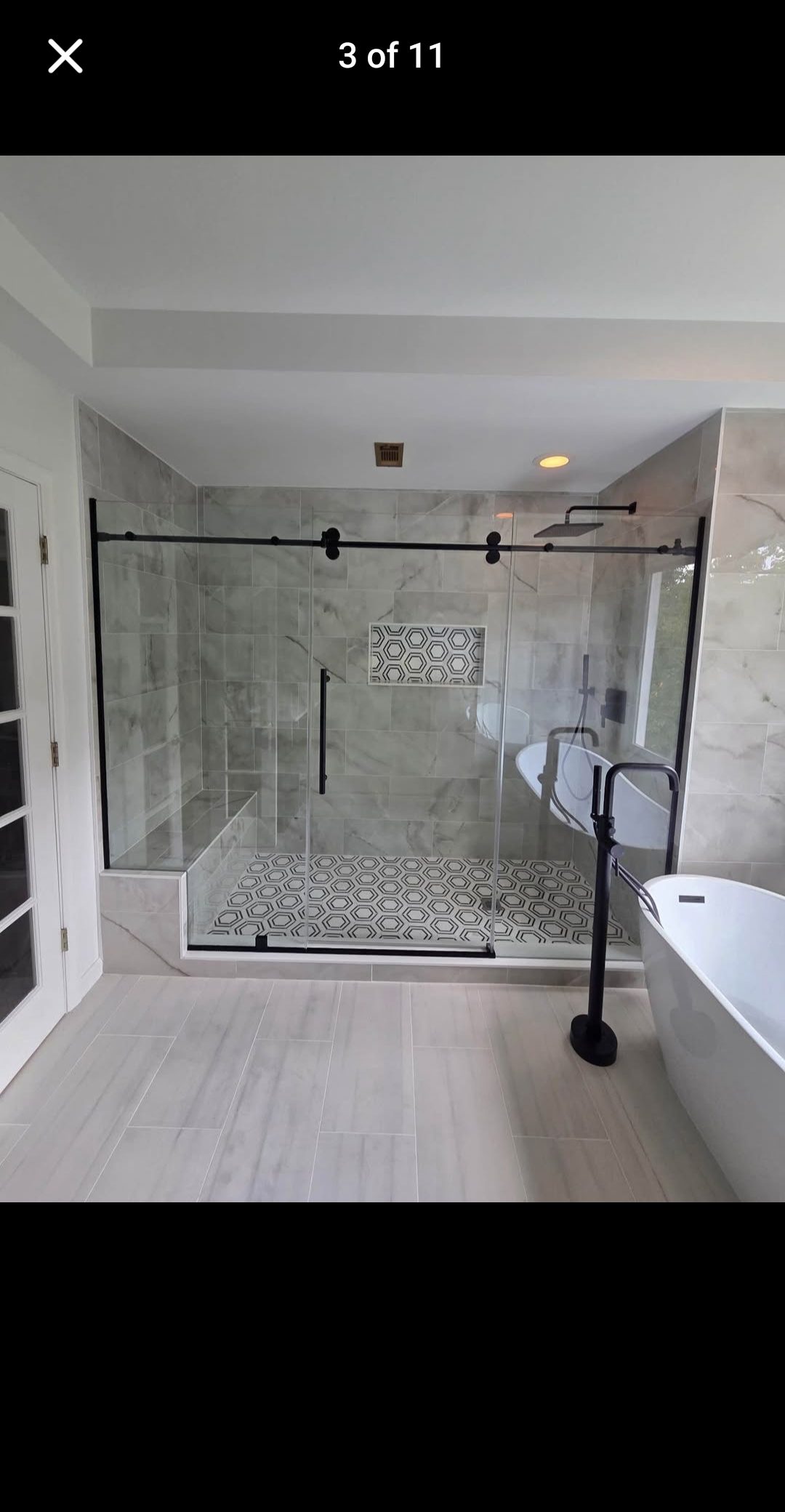
Many homeowners in South Florida ask whether they can remodel their own bathroom. The honest answer is that you can do some of the work yourself, but not all of it. Painting, fixture swaps, and simple finish work are good DIY tasks, while plumbing, electrical, and waterproofing need trained trades and permits.
What Homeowners Can Often Do Themselves
Some bathroom work is well within reach for a careful homeowner. Painting walls and trim is a common project. You can also swap a towel bar, a cabinet pull, a faucet handle, or a light fixture if the wiring stays the same. Adding a new vanity mirror or shower curtain rod is another simple step. These tasks change how the room looks without touching the systems behind the walls.
Demolition can also be a DIY job in some cases, but it needs care. Pulling up old flooring or removing a basic vanity is hard work, though it is often manageable. Before you start, turn off the water and power to the room. Look for signs of rot, mold, or soft spots under the floor and around the tub. Those signs tell you the job is bigger than it first looked.
Why Plumbing and Electrical Need Trades
Bathrooms hold a lot of water and electricity in a small space. Moving a drain, adding a shower valve, or relocating a toilet changes the plumbing system. A small mistake can cause a slow leak that stays hidden for months. Electrical work near water has strict safety rules. A new outlet, a heated mirror, or a bath fan often needs a qualified electrician or a permit.
Even if you are handy, these jobs are hard to check on your own. A trade professional knows how to size drain lines, set vents, and connect fixtures so they work for years. The inspection process exists to catch problems early, before walls are closed up. If you skip it, you may have to open the walls again later.
Permits and Inspections in South Florida
Permit rules vary from city to city and county to county. Some projects need a permit even when the work looks small, such as moving a drain or adding an electrical circuit. Check with your local building department before you start. Ask what work needs a permit and which inspections are required.
Skipping permits can cause real trouble. An unpermitted job may need to be opened up for an inspection later. It can also complicate a home sale or an insurance claim. Our crew can handle permits and inspections as part of a full remodel, so you do not have to track every step yourself.
Waterproofing Is Where DIY Risk Grows
The shower and tub area is the most important part of the room to get right. Water must stay in the shower and drain away. Behind the tile, a waterproof membrane and a properly sloped shower pan do that job. If either one fails, water moves into the wall, the subfloor, and the framing. In a humid climate, that moisture can feed mold and rot fast.
Tile itself is not the whole story. Grout can crack, caulk can pull away, and corners can let water through. Many DIY showers look fine at first and leak later. Ask any project you plan to tile whether the waterproofing layers are right. If you are not sure, a contractor can check the work before the tile goes on.
Ventilation and Humidity Control
South Florida humidity makes ventilation a key part of a bathroom remodel. A fan that is too small or vents into the attic can leave the room damp. Over time, damp drywall, peeling paint, and musty smells follow. A properly sized exhaust fan that vents outside is one of the best upgrades you can make. The fan may need an electrical connection, so plan it with the rest of the work.
How to Decide What to Do Yourself
- Painting, trim, and accessories are usually safe DIY choices.
- Swapping a faucet or light with the same wiring is often manageable.
- Moving drains, valves, or the toilet should go to a trade.
- Electrical changes near water should go to a qualified electrician.
- Shower waterproofing is best handled by an experienced contractor.
- Any work that needs a permit should be inspected before it is closed up.
Ask the Right Questions Before You Start
A good plan starts with an honest list of skills, time, and tools. Think about how long the bathroom will be out of use if the project runs into delays. Ask how many people will be in the house during the work, and whether you can manage the mess. A mixed approach often works best. You handle painting and finish details, and a team handles the wet work and anything that needs a permit.
For a clear view of how a bathroom remodel is planned, read our remodeling services page. You can also read our guide to choosing a remodeling contractor in Wellington to learn what to look for in a builder.
Ready to talk through your options? Art Lego LLC is based in Wellington, FL and serves Wellington, West Palm Beach, Palm Beach Gardens, Boynton Beach, and North Palm Beach. Free estimates are available. Call 561-574-3769 to talk through which parts of your bathroom you can tackle and which parts need a professional.
Frequently Asked Questions
Can I remodel my bathroom myself?
You can do some tasks yourself, such as painting, trim, and swapping accessories. Plumbing, electrical, and waterproofing usually need trained trades and permits.
Do I need a permit for a bathroom remodel?
It depends on the work and the city or county. Moving drains, adding circuits, or changing the layout often needs a permit. Check with your local building department first.
Where do bathroom leaks usually start?
Most leaks start at the shower or tub area. Failed grout, worn caulk, or a poor waterproof layer behind the tile can let water into the walls and floor.
Why does humidity matter in a South Florida bathroom?
Humidity keeps the room damp, which can lead to mold, peeling paint, and rot. A properly sized exhaust fan that vents outside helps control moisture.