
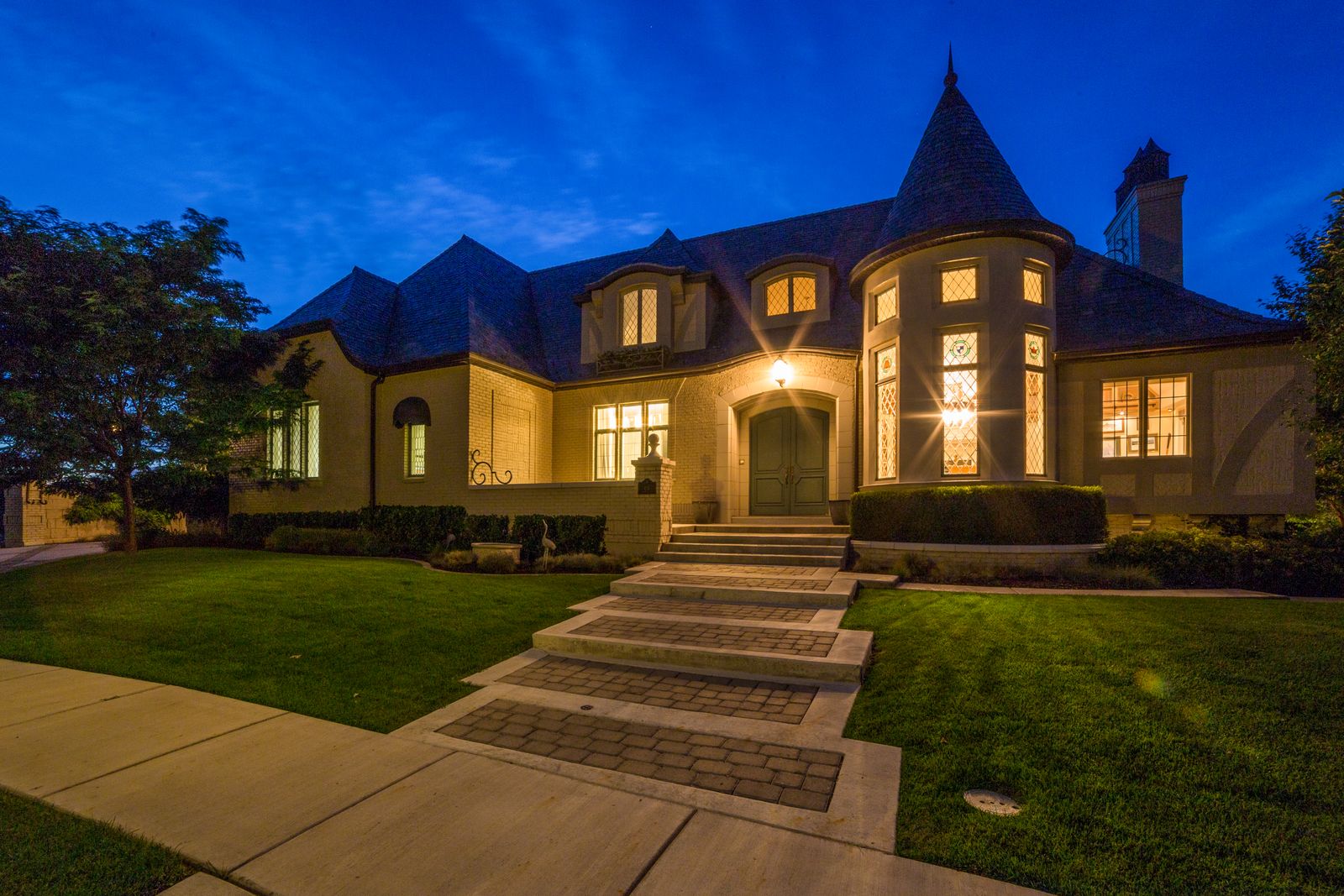
Exterior paint in Boynton Beach works hard. Strong sun, salty ocean air and humid summers all take a toll on the outside of a home. The good news is that a careful prep process and the right finish can help paint hold its color and look fresh for longer.
Why Boynton Beach Homes Need Extra Care
Many homes in Boynton Beach sit close to the water or get a steady breeze off the coast. That breeze carries salt, and salt is hard on paint and metal. Add long, bright days and wet summers, and the outside of a house faces a lot of stress every year. Knowing what causes the wear is the first step to avoiding it.
Sun Breaks Down Paint
Ultraviolet light is one of the main reasons exterior paint fades and chalks. Chalking shows up as a powdery residue on the surface. When you rub the wall, the powder comes off on your hand. Sun also makes paint expand and contract every day as it heats and cools. Over time, that movement can cause small cracks and peeling, especially on the sides of the house that get the most direct light.
Salt Air Attacks Surfaces
Salt settles on siding, trim, railings and garage doors. It holds moisture against the surface, and that moisture can push paint off the wood or metal underneath. Salt can also speed up rust on nails, hinges and fasteners. Homes that sit near the coast often need a closer look at these areas. Rinsing the exterior with fresh water from time to time can help keep salt from building up.
Humidity and Mildew
Humidity is another challenge in Palm Beach County. Shady spots under trees, north-facing walls and areas near sprinklers can stay damp for long stretches. Mildew loves those conditions. It shows up as dark spots or streaks, and it can grow right through a thin or poorly prepared coat of paint. A good painter will look for mildew before any new paint goes on and will treat it first.
Prep Is Where Good Jobs Start
Most paint problems trace back to the prep work, not the paint itself. A thorough exterior project usually includes washing the surface, scraping loose paint, sanding rough edges and filling small holes. Caulk around windows, doors and trim should be checked and replaced where it has cracked. Bare wood often needs a primer before the color coats go on. Skipping these steps can make even high quality paint fail early.
Choosing the Right Finish
The finish you pick matters in a sunny, humid climate. Many homeowners like a satin or low sheen for siding because it hides small flaws and is easier to clean. Trim and doors often look best with a little more sheen, which gives them a crisp edge and holds up to wiping. Color also plays a role. Very dark colors can absorb more heat from the sun, so it helps to ask your painter how a shade will perform on your specific walls. Ask about the paint line too, since some products are built for heat and humidity better than others.
Signs It May Be Time to Repaint
Some signs are easy to spot from the driveway. Look for paint that has faded noticeably on one side of the house, areas where the surface feels chalky, and small bubbles or flakes near the bottom of walls. Dark streaks on siding, soft or spongy trim and rust stains coming from nails are also worth a closer look. You do not need to wait for large patches of peeling paint. Catching the problem early usually means less prep work and a smoother result when the new coat goes on.
Timing Your Project
Timing affects the quality of the work. Paint needs a dry surface and mild temperatures to bond well. Rain, heavy dew and very hot afternoons can all cause problems during application. Many painters in South Florida plan exterior work for the drier months and schedule around afternoon storms. If your home already shows chalking, peeling or mildew, it may be time to plan a project rather than wait for the damage to spread.
What to Expect From an Estimate
A good estimate walks through the scope of work in plain language. It should explain the prep steps, the number of coats, the type of paint and the areas that will be covered. It should also note any repairs that may be needed, such as wood rot or damaged caulk. If you are comparing bids, look at the prep details first. The lowest bid is not always the best value when the surface is not ready for paint.
Art Lego LLC is based in Wellington, FL and serves homeowners across Palm Beach County, St. Lucie County and Martin County, including neighborhoods in and around Boynton Beach. Our team handles both exterior painting services and remodeling work, and we are happy to look at your home's conditions in person. We offer free estimates, so you can talk through the prep, the finish and the timing before you decide. To get started, call Camilo and the Art Lego team at 561-574-3769, or visit our Boynton Beach service area page to learn more about our work nearby.
Frequently Asked Questions
Why does exterior paint fade faster in Boynton Beach?
Strong sun, salt air and humidity all add stress to exterior paint. Ultraviolet light breaks down color, salt can hold moisture against the surface, and humidity can help mildew grow.
What is chalking on exterior paint?
Chalking is a powdery residue that forms on the paint surface as it breaks down. If you rub the wall and powder comes off on your hand, the paint is chalking.
Do I need to remove mildew before painting?
Yes. Mildew should be cleaned and treated before new paint goes on. Painting over mildew can lead to spots and early peeling.
Can Art Lego LLC give me a free estimate?
Yes. Art Lego LLC offers free estimates for exterior painting and remodeling projects in Palm Beach County, St. Lucie County and Martin County.