
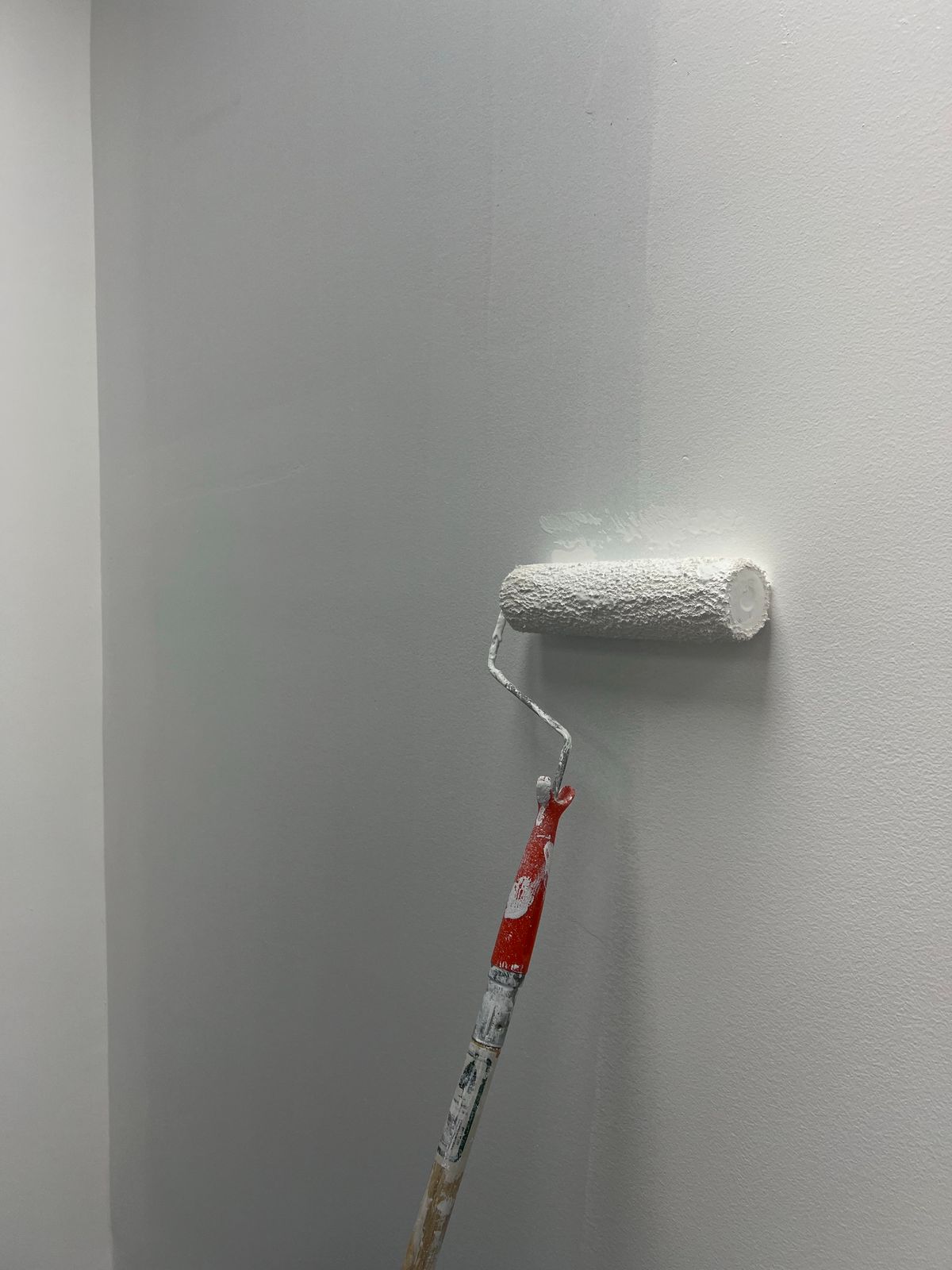
Interior painting in South Florida isn’t quite the same job as it is in a drier climate, because indoor humidity affects how paint dries, cures, and holds up over time. Rooms like bathrooms, kitchens, and laundry areas see the most moisture and need extra attention to paint type and preparation. Understanding how humidity changes the process helps you plan a paint job that looks good well after the crew has packed up.
Why Humidity Matters for Interior Paint
Paint dries through evaporation, and humid air holds more moisture, which slows that process down. When paint takes longer to dry, it has more time to pick up dust, and a second coat applied too soon over a still-damp first coat can trap moisture beneath the surface. In South Florida, where indoor humidity can climb even with air conditioning running, this is one of the most common reasons an interior paint job doesn’t turn out as smooth or durable as expected.
Choosing the Right Paint for Humid Interiors
Not all interior paints are built the same way. Paints with mildew-resistant additives are worth using in rooms that regularly deal with steam or moisture, and a satin or semi-gloss finish generally sheds moisture and wipes clean better than a flat finish. Flat paint still has its place in lower-humidity rooms like bedrooms and living areas, but bathrooms, kitchens, and laundry rooms benefit from a finish built to handle regular exposure to moisture.
Timing the Job Around South Florida Weather
Interior painting can happen throughout the year since the work itself is sheltered from rain, but South Florida’s rainy season does bring higher outdoor humidity that works its way indoors. Scheduling painting for a stretch of drier weather when possible, and running the air conditioning consistently during the project, helps paint cure closer to how the manufacturer intends.
Ventilation and Dry Time Considerations
Good airflow is one of the simplest ways to counter humidity during an interior paint job. Running fans, opening interior doors between rooms, and keeping the air conditioning on helps pull moisture out of the air so each coat has a better chance to dry properly. Dry times listed on a paint can are often based on average conditions, so in a humid home it’s worth allowing extra time between coats rather than rushing to the next step.
Common Trouble Spots in South Florida Homes
Bathrooms without strong exhaust fans, kitchens near cooktops, and laundry rooms with a washer and dryer running are the rooms most likely to hold onto excess moisture. These spaces need both the right paint and reliable ventilation, since even a great paint job can struggle if the room itself doesn’t handle moisture well on an ongoing basis. Addressing an underperforming exhaust fan before painting is often a smart step.
Working with a Professional Painter in a Humid Climate
An experienced interior painter working in South Florida knows how to read a room’s humidity conditions, choose the right products, and adjust timing and technique accordingly. That includes proper surface preparation, allowing adequate dry time between coats, and recommending finishes suited to each room’s actual moisture exposure rather than applying the same approach throughout the house.
Frequently Asked Questions
Does humidity really affect interior paint?
Yes. High humidity slows paint drying and curing, and it can lead to problems like poor adhesion, visible brush or roller marks, and a longer window for dust or debris to settle into a wet surface. Painting during more moderate humidity, when possible, and running proper ventilation helps the paint cure the way it's designed to.
What kind of paint holds up best in humid Florida rooms?
Paints formulated with mildew-resistant additives and a satin or semi-gloss finish generally perform better in humidity-prone rooms like bathrooms, kitchens, and laundry areas than flat finishes. A washable, moisture-resistant paint also holds up better to the extra cleaning these spaces tend to need.
How long should I wait between coats in a humid climate?
Dry time between coats generally needs to be longer in humid conditions than what a paint can label might suggest for an average climate, since moisture in the air slows evaporation. Running air conditioning or a dehumidifier during the job helps keep dry times closer to normal.
Can humidity cause paint to fail after the job is finished?
It can, if the surface wasn't properly prepared or dried before painting, or if ventilation in the room stays poor afterward. Peeling, bubbling, or a chalky finish are common signs that moisture got trapped behind the paint layer during or after application.
Should I paint my South Florida home's interior during the rainy season?
Interior painting can generally happen year-round since it isn't exposed to rain directly, but indoor humidity does tend to climb during the rainy season as outdoor moisture works its way inside. Good ventilation and air conditioning during the project make rainy-season interior painting manageable.
A humid climate doesn’t have to mean a paint job that fails early—it just means planning around it. Art Lego LLC provides interior painting for homes throughout St. Lucie County, Martin County, and parts of Palm Beach County, and we plan every job around South Florida’s conditions. Visit our painting page to see our services, or contact us for a free estimate. You can also call 561-574-3769.